
GLOBALCIT Co-Director Maarten Vink testified on July 21st 2026, before Italy’s Constitutional Affairs Committee on a proposed amendment to the citizenship law, drawing on GLOBACIT data on citizenship laws in force across 32 European states (EU, EFTA, and the UK).
The pending citizenship law amendment intends to modify Law No. 91 of February 5, 1992, on the acquisition and revocation of citizenship. The bill A.C. 2124 proposes four changes. First, any conviction for an offence against a person or property, or a drug offence, would permanently bar the Italy-born from acquiring citizenship, which is the main territorial birthright-based route under Italian law. Second, despite being educated entirely in Italy, this group would still be subject to the B1 language requirement. Third, it legislates the power to revoke already-granted citizenship for serious ordinary crimes, in addition to existing terrorism provisions. Fourth, the citizenship oath must be pronounced in Italian.
In his intervention, Vink highlighted the particularly concerning aspects of the first three.
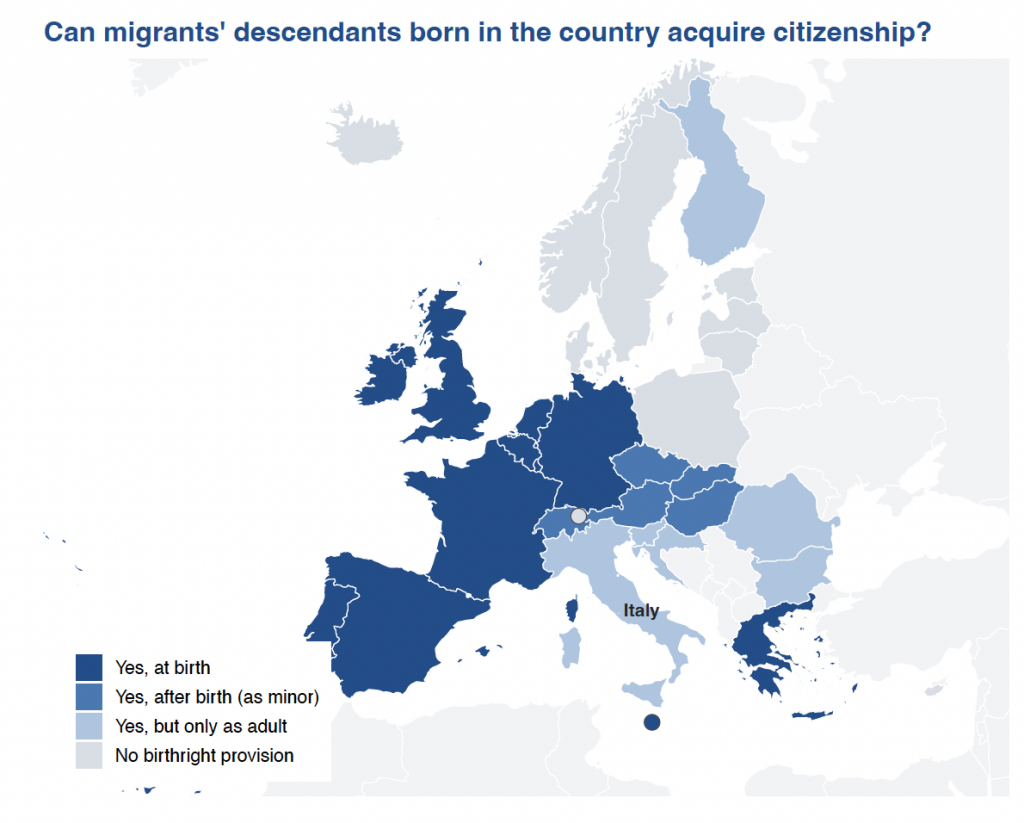
Italy is already among the most restrictive countries in Europe regarding access for children of immigrants born in the country. Italy requires 18 years of uninterrupted residence before foreign-born children can acquire citizenship by declaration upon reaching majority.
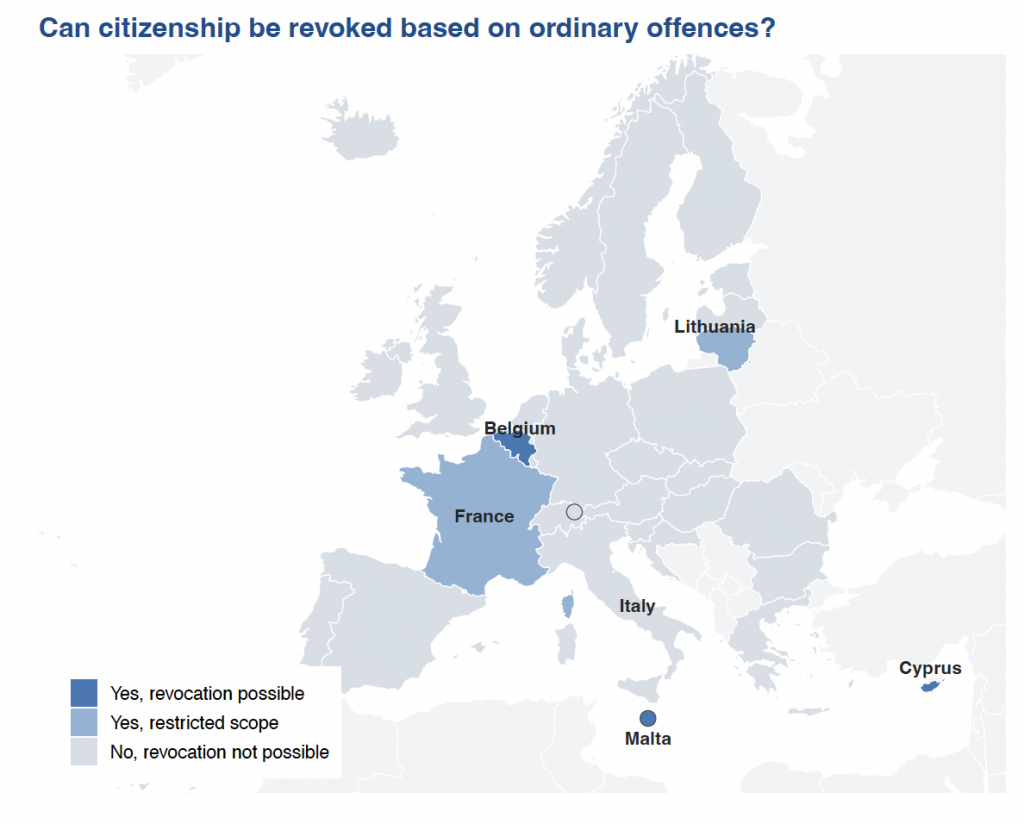
Revoking citizenship for ordinary criminal offences remains rare in Europe, as it functions as a second punishment, inflicted only on naturalised citizens, effectively creating second-class citizenship. The European Convention on Nationality excludes ordinary crimes from the grounds for permitted deprivation and explicitly asks states not to discriminate between citizens by birth and by acquisition. Requiring Italian language proficiency from people born and educated in Italy remains indefensible on practical grounds.
His written submission is available below and situates A.C. 2124 within the European comparative landscape.