
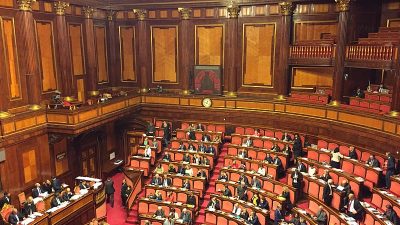
Italy shortens time to naturalisation decisions
Italy decided to shorten from four to two years the administrative procedure for decisions on naturalisation (for residence- and marriage-based citizenship acquisition).
Italy decided to shorten from four to two years the administrative procedure for decisions on naturalisation (for residence- and marriage-based citizenship acquisition).

French authorities have granted citizenship to approximately 74 “frontline foreign workers in the face of the health crisis” caused by COVID-19, and another 693 are in the final stages.
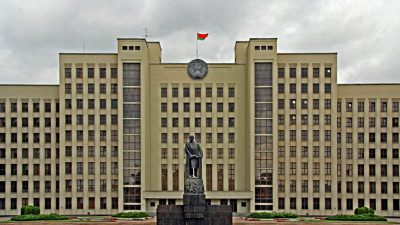
On 10 December 2020, the Parliament of Belarus approved changes to the country’s citizenship legislation, to become effective six months after the amendments’ publication in the country’s Official Gazette. Amendments affect the modes of acquisition and loss of citizenship of Belarus.
On 24 November 2020, France and Spain signed a dual citizenship agreement. Upon the entry into force of the agreement, French citizens naturalising in Spain will no longer be required to renounce their nationality.

We want to build on the insights from our last forum debate in a webinar that looks into the broader question of how important access to citizenship is in the global South compared to other legal statuses and documents, such as birth certificates or permanent residence permits.
On January 1 2020, Norway followed its Nordic neighbours and allowed for dual citizenship. The law change led to a massive increase in the number of citizenship applications: 30.000 applications were submitted during the first six months of the year. By contrast, the number of applications have remained stable at around 20.000 annually, from 2014 to 2019.

The webinar Citizenship and Populism: a Twenty-First Century Challenge across the Globe will draw on case studies from India, Western Europe, Latin America and elsewhere in order to illuminate engagements between citizenship, democracy and the people.
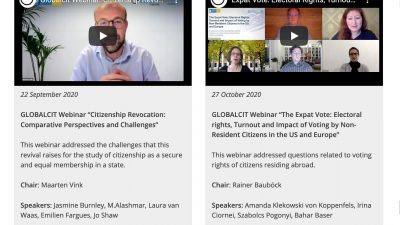
We are delighted to announce the launch of the Webinars page on our website, which brings together the recordings of our 2020-21 series of webinars. The recordings are made available as study and teaching material on topical issues in citizenship studies.

On 8 October 2020, Jo Shaw presented her new book, The People in Question, at the WZB Berlin Social Science Center. Together with other distinguished scholars she explored the interaction between constitutions and citizenship and their nexus with to stories of peoplehood, collective identities, and borders and boundaries.
According to Erm News and Citizenship Rights in Africa Initiative, the transitional government of Sudan has stripped thousands of naturalised foreigners, including Syrians.